AI-assisted user research: what changes and what stays the same

AI already transcribes interviews, groups comments and suggests themes in minutes. That frees time for what really matters in research: understanding people. It also brings new risks, the main one being mistaking speed for understanding.
Where AI genuinely helps
The most laborious parts of research are the ones AI does best: transcribing hours of interviews, organising hundreds of open answers, finding language patterns and drafting a first set of themes. What used to take days now takes hours.
That gain makes it possible to research more often and in shorter cycles, which is exactly what product teams need to make evidence-based decisions.
What AI does not replace
Understanding a person’s context, noticing the hesitation before an answer and asking the right next question are still human work. AI works on what was said; much of research lies in what was not said.
That is why running the interviews, choosing participants and the final interpretation stay with the researcher. AI is a fast assistant, not the author of the conclusions.
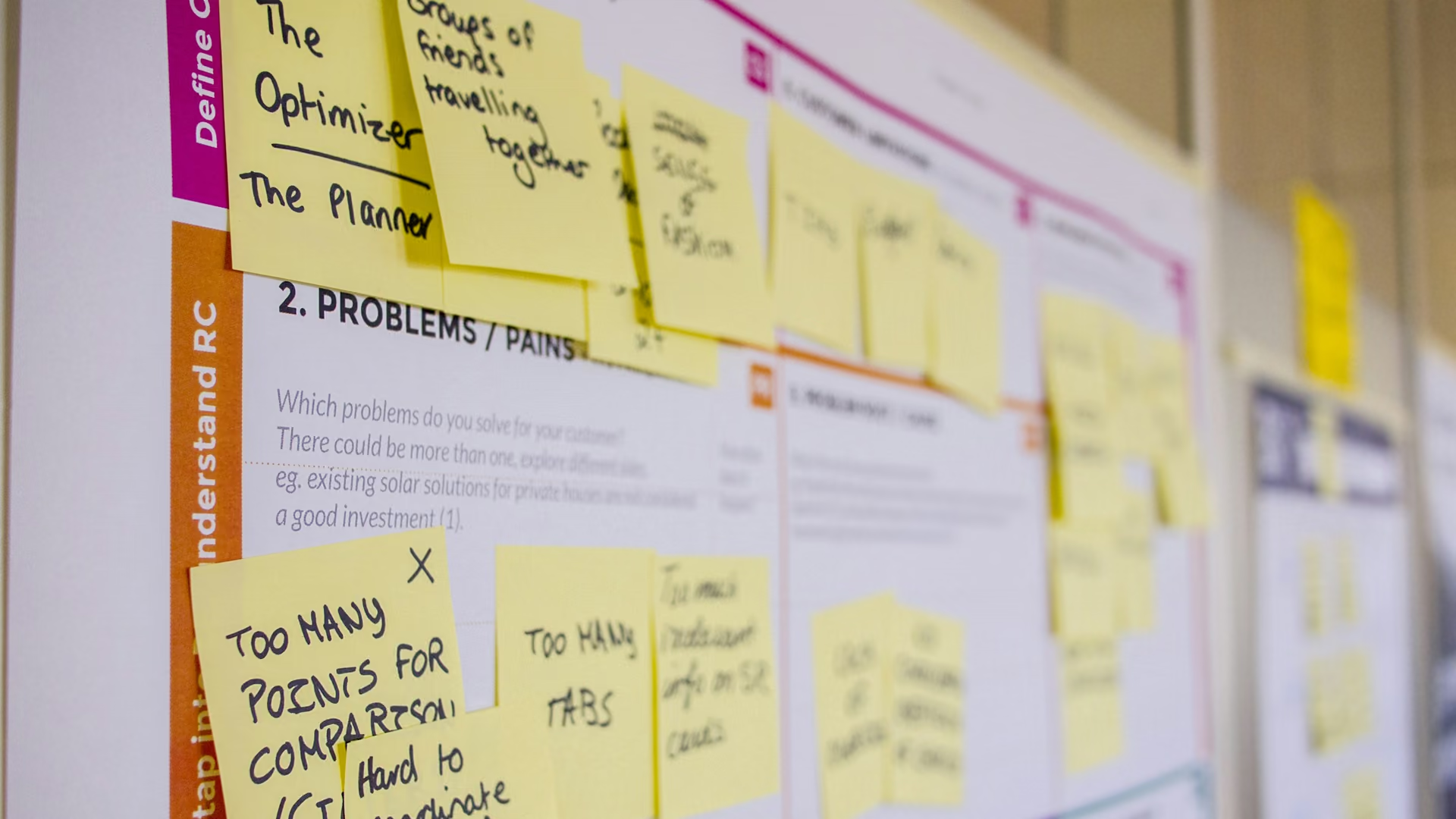
Beware of the easy summary
An AI-generated summary tends to favour what appears most often and soften the extremes. In research, the extremes are often exactly where the most serious problems and the most interesting opportunities are.
A good practice is to always go back to the original quotes before closing an insight. If the quote does not support the theme, the theme is not ready.
Privacy and ethics
Interviews carry personal data and often sensitive information. Before sending any material to an AI tool, you need to know where the data is stored, who can access it and whether participants consented to that use. Anonymising transcripts before analysis should be the default.
A research flow with AI
A flow that works well: plan the study and the script with AI support, run the interviews in person, use AI to transcribe, anonymise and propose a first grouping, review that grouping by hand against the original quotes and write the insights with clear recommendations for the product.
The time saved is real and should be reinvested in talking to more people, not in skipping steps. Faster research is only worth it while it is still research.