From prompt to prototype: AI in the product design workflow
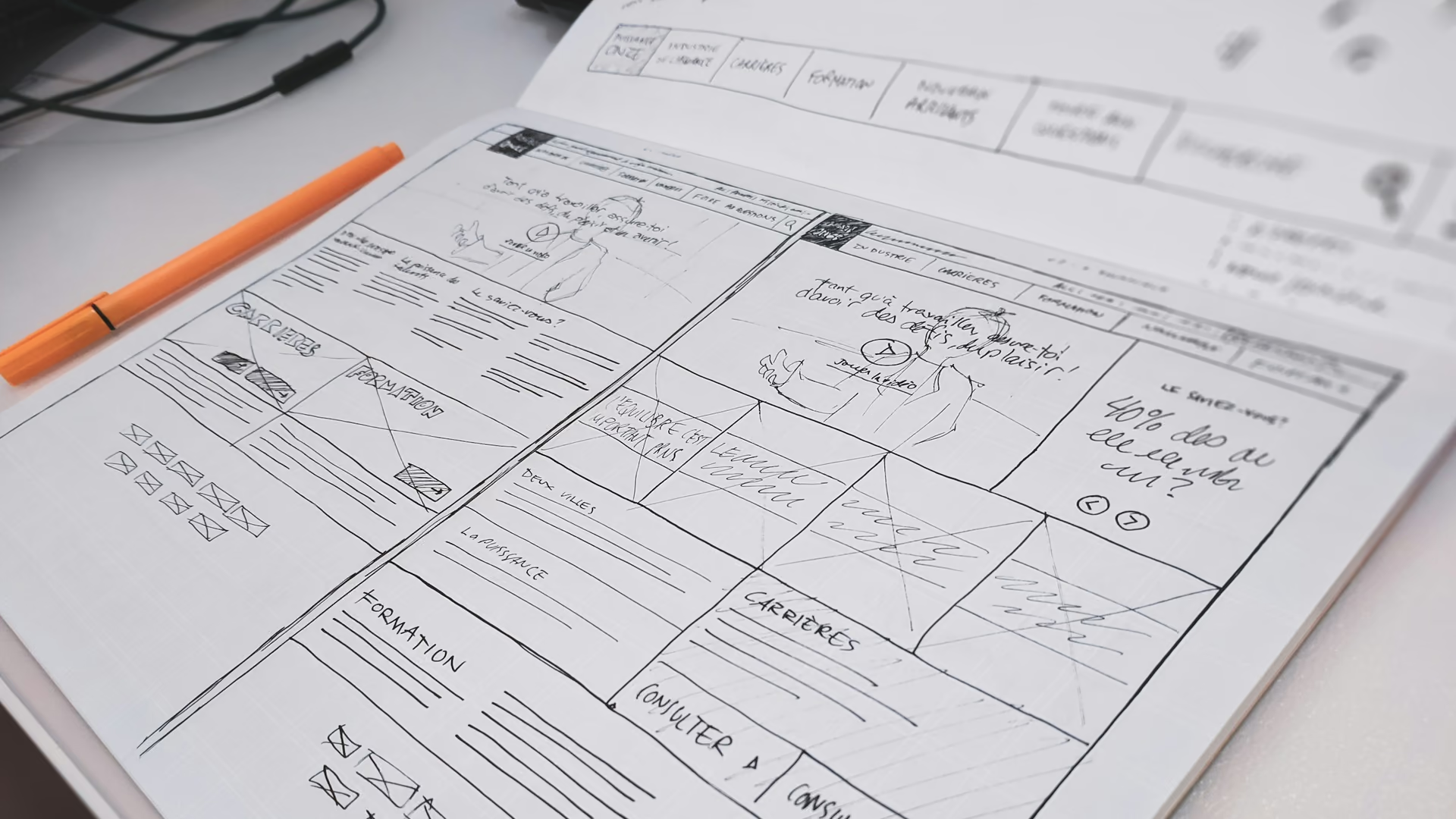
AI has shortened the distance between an idea and something you can test. In minutes you can go from a text description to a clickable prototype. The challenge now is to use that speed to learn faster, without skipping the thinking that makes a product work.
Explore more, decide better
Exploring five directions for a screen used to take days. With AI it takes minutes. That changes the exploration phase: you can compare very different approaches side by side, quickly discard what does not work and spend time only on what deserves it.
The risk is falling for the first generated option just because it already looks finished. A finished look is not a sign of a good solution.
The problem still comes first
A good prompt comes from a well-defined problem: who uses it, in what context, with what goal and under which constraints. Without that, AI generates beautiful screens for the wrong question.
That is why discovery work does not shrink; it becomes more important. The clearer the problem, the better and more useful the generated variations.
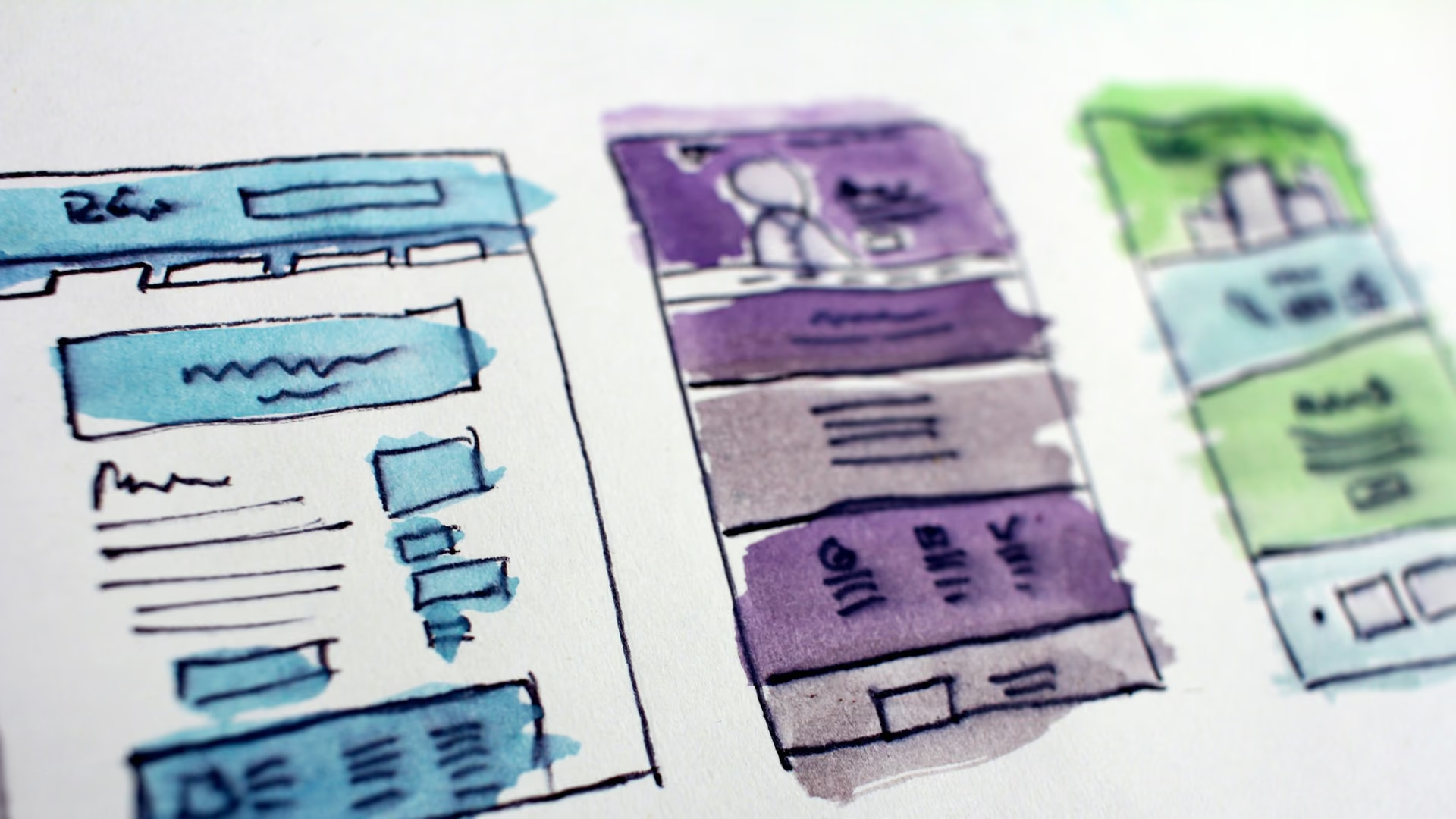
Prototypes to test, not to impress
With prototypes ready so quickly, the temptation is to bring unvalidated work into meetings. The best use of speed is the opposite: put simple versions in front of users early and often.
A prototype generated in minutes and tested with five people in the same week is worth more than a perfect screen nobody has used.
From generation to design system
What AI generates during exploration rarely goes straight to production. Moving to the final version means rebuilding the screen with design system components, complete states, accessibility and specified behaviour.
That step is what separates a convincing draft from a product engineering can build and maintain.
The designer’s role
AI does not take the designer out of the process; it changes where their time pays off. Fewer hours assembling screens, more hours understanding people, framing problems, judging alternatives and making sure what ships is clear, consistent and useful.