The context
Companies wanted to put AI agents to work across support, operations and finance, but each team was stitching together prompts, scripts and API keys on its own. Nobody could tell which agents were running, what they cost or who had access.
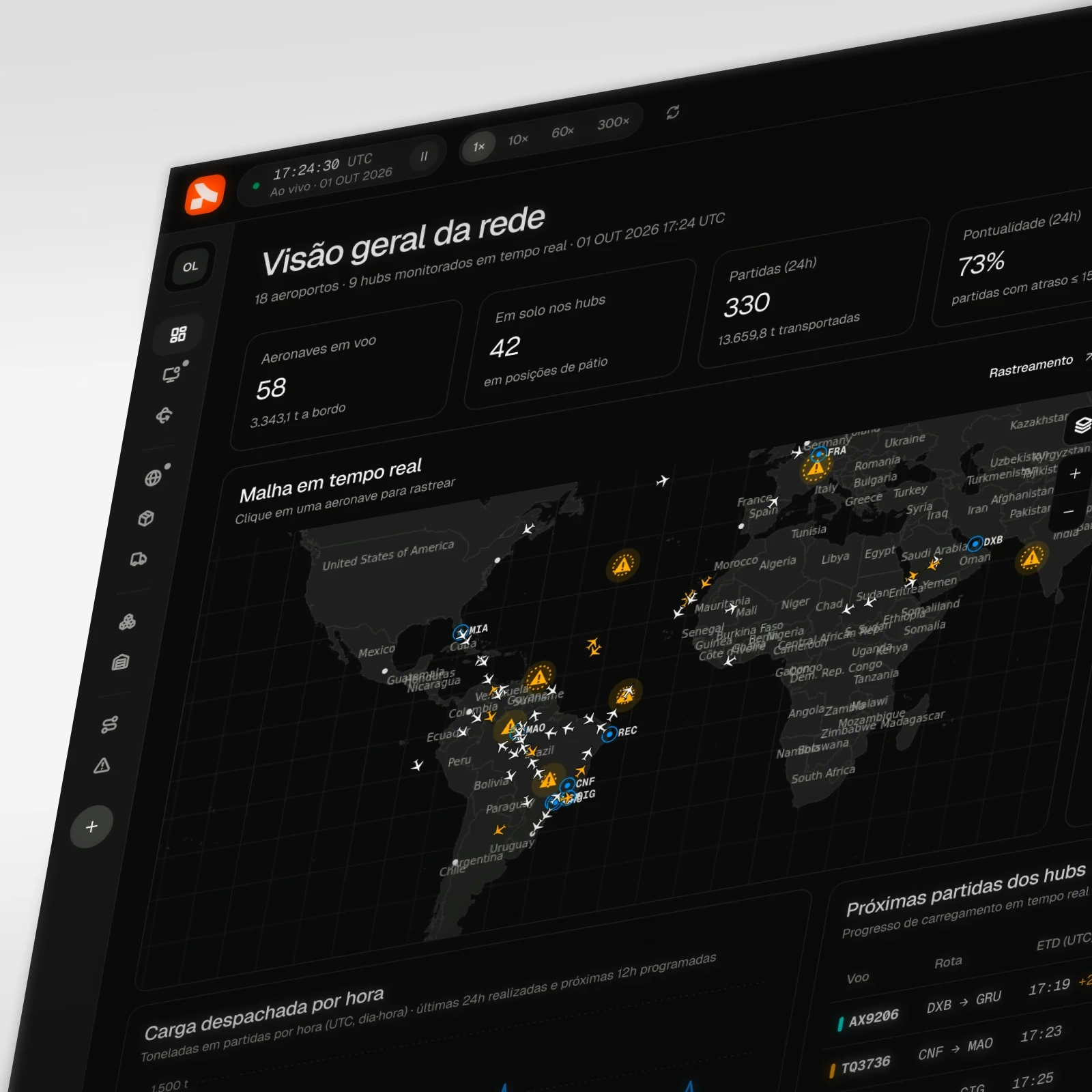
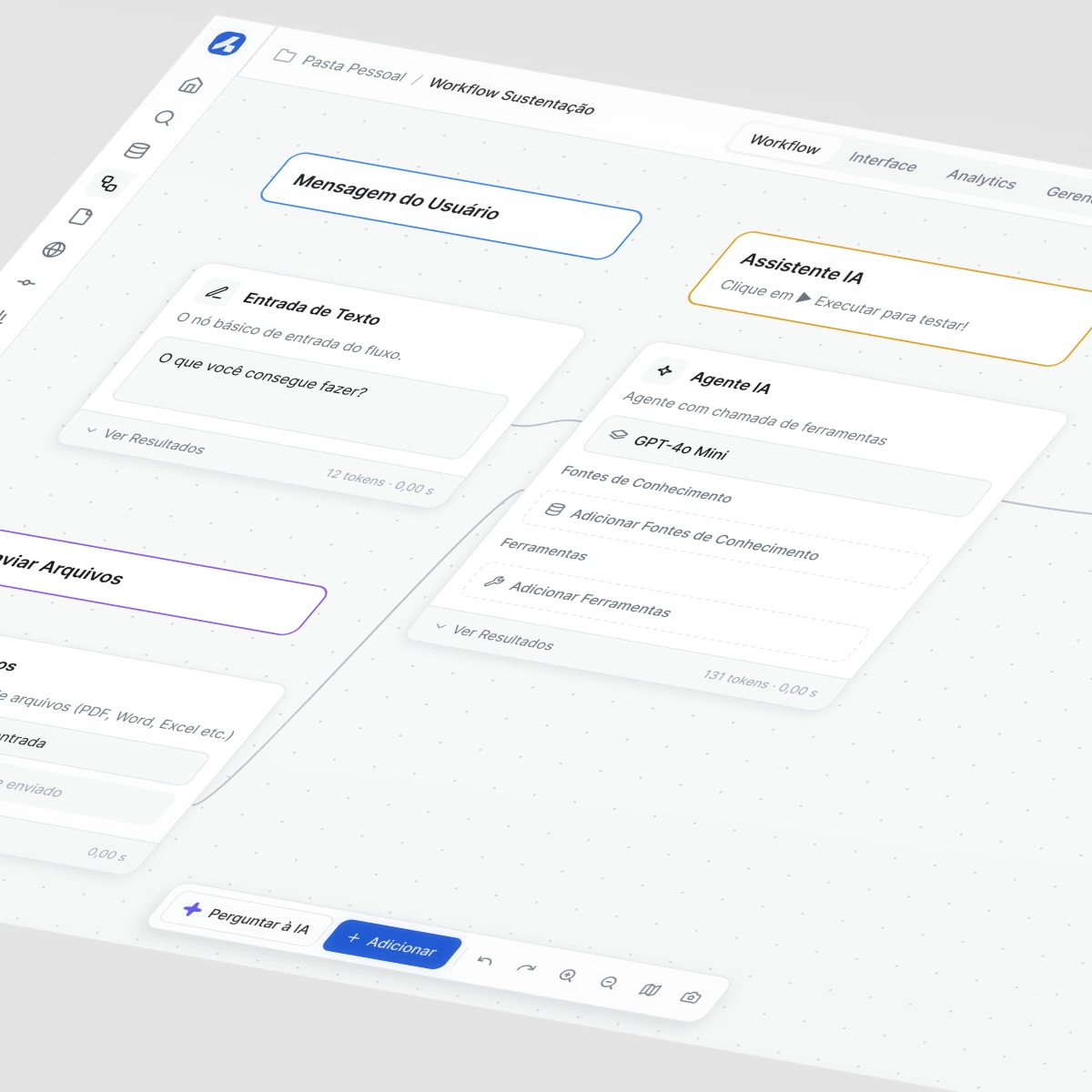
I led the design of Gamma: Agent OS, an enterprise platform to build, publish and govern AI agents, from the visual workflow builder to analytics and workspace administration.
Teams were building agents faster than anyone could control them.
Agents were built in code by a few specialists, published without review and monitored by nobody. Costs and errors surfaced only at the end of the month, in the invoice. Business teams that understood the work best could not build anything themselves, and IT could not see what was already running.
What we learned
Builders are not engineers
Most people who knew the process well had never written a prompt chain, and they gave up at the first JSON field.
Trust needs visibility
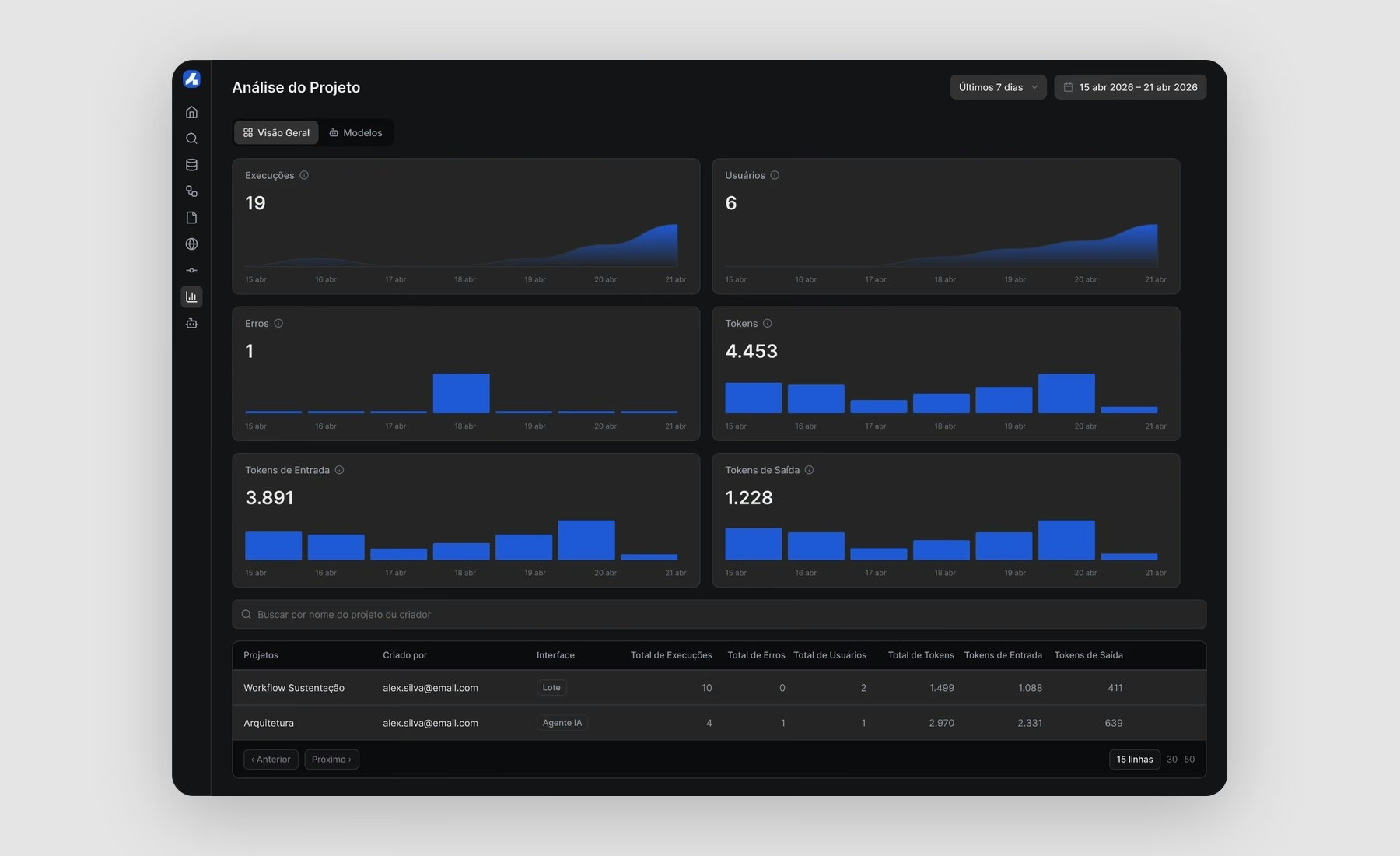
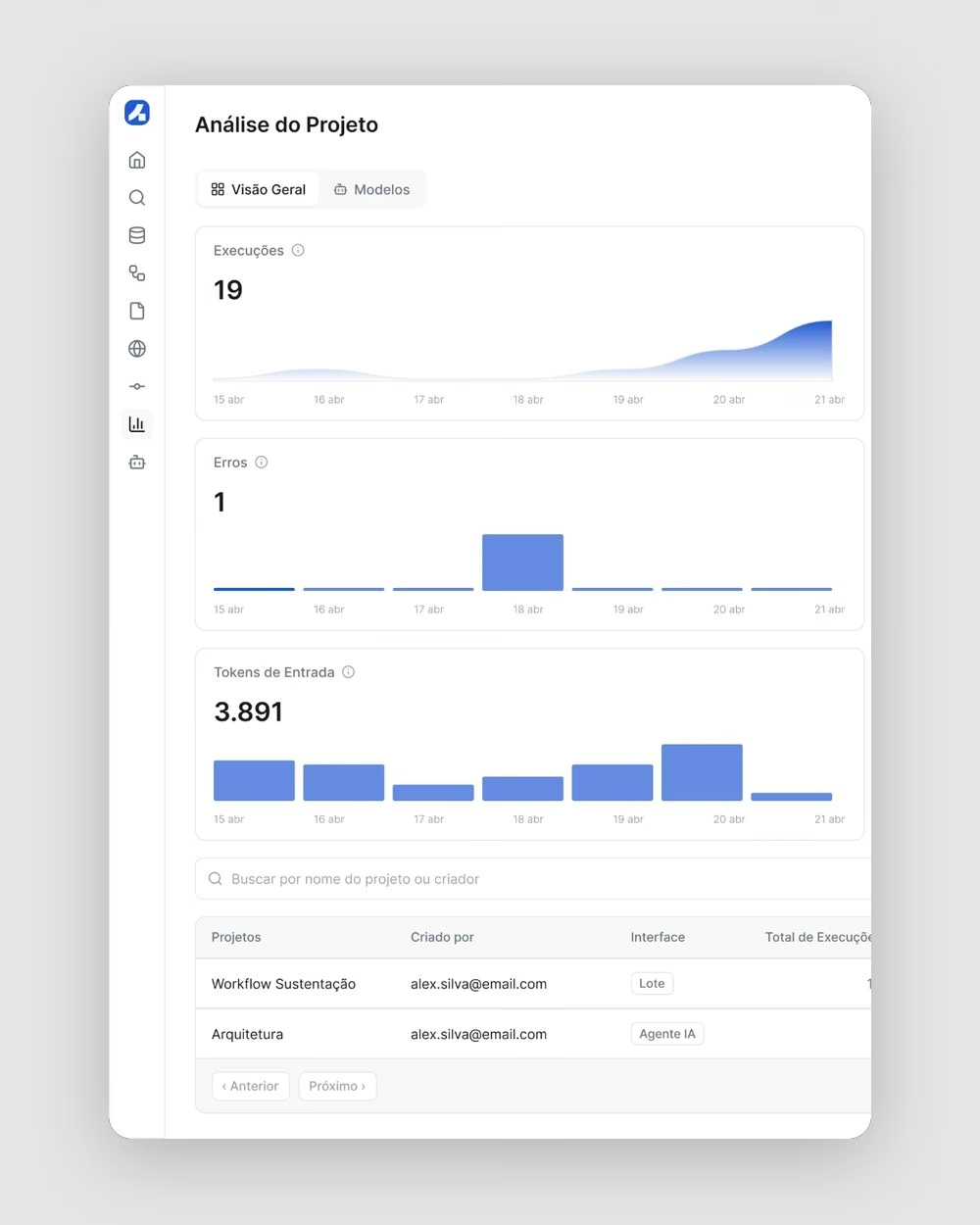
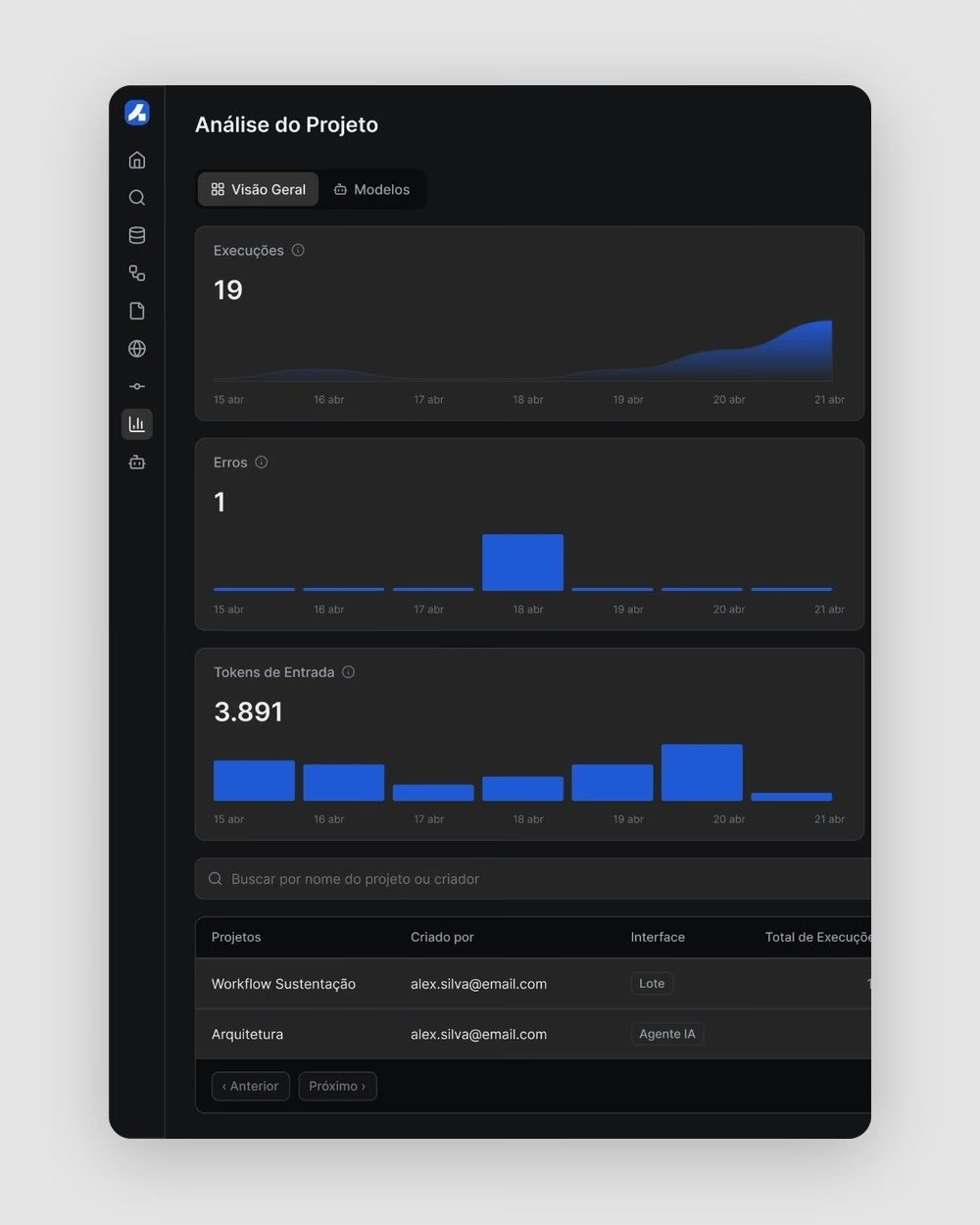
Leaders would not approve agents in production without seeing executions, errors and cost per project.
Governance is a blocker
Security reviews stalled every launch, because roles, access and audit logs lived outside the product.
I can explain the process in five minutes. I just can't turn it into an agent without waiting weeks for engineering.
— Operations manager, enterprise customer
How we got there
Discover
Interviews with builders, admins and IT leads across 9 enterprise customers.
Map
An agent lifecycle model: build, test, publish, monitor and govern.
Prototype
A node-based workflow builder tested with non-technical users on real processes.
Scale
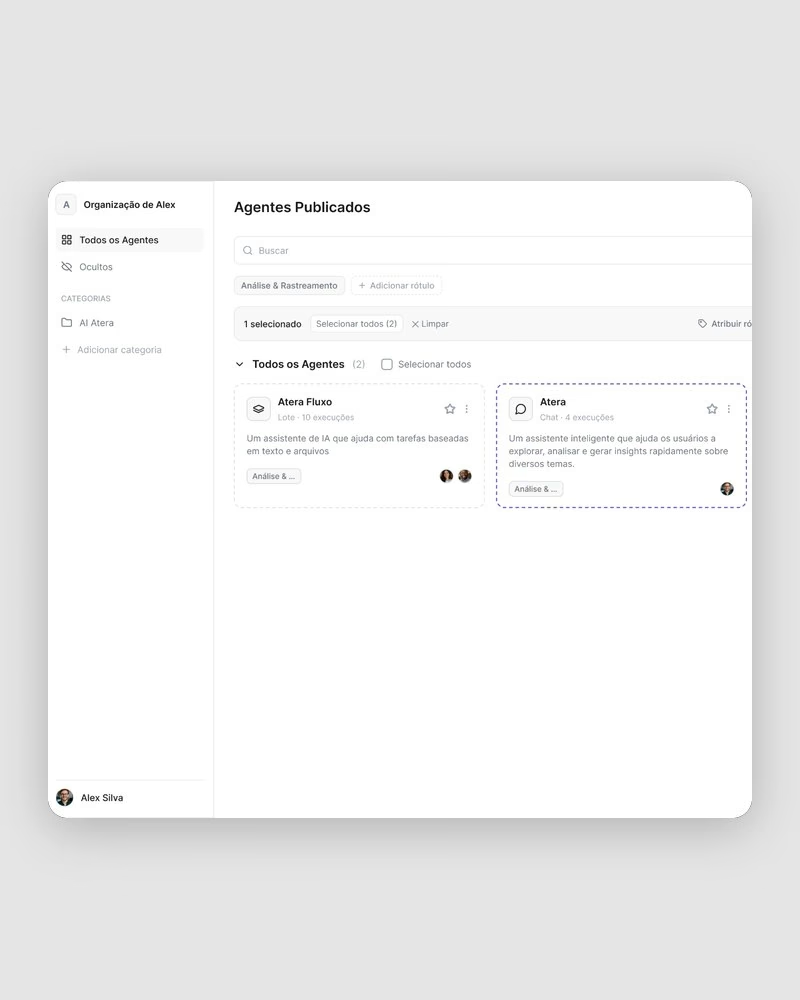
Analytics, agent library and admin settings built on a shared design system.
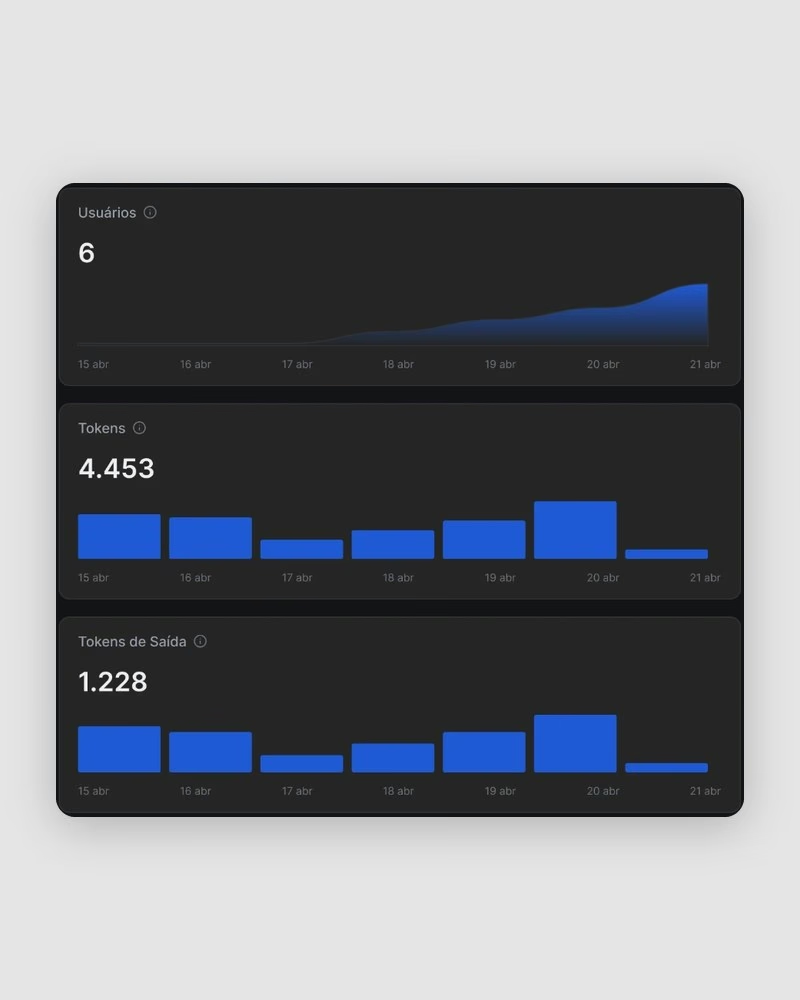
Make every agent visual, measurable and governed.
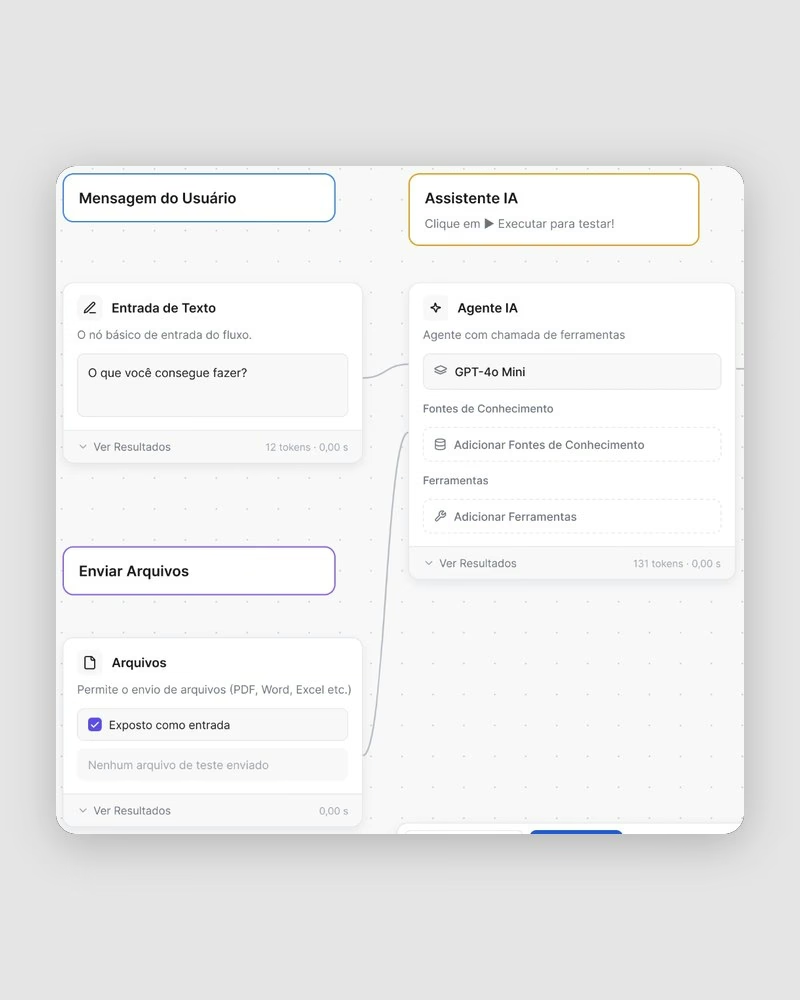
A visual builder lets anyone connect inputs, AI agents, knowledge sources and tools on a canvas, then run the flow and see results node by node before publishing. Drafts save automatically and every version is kept.
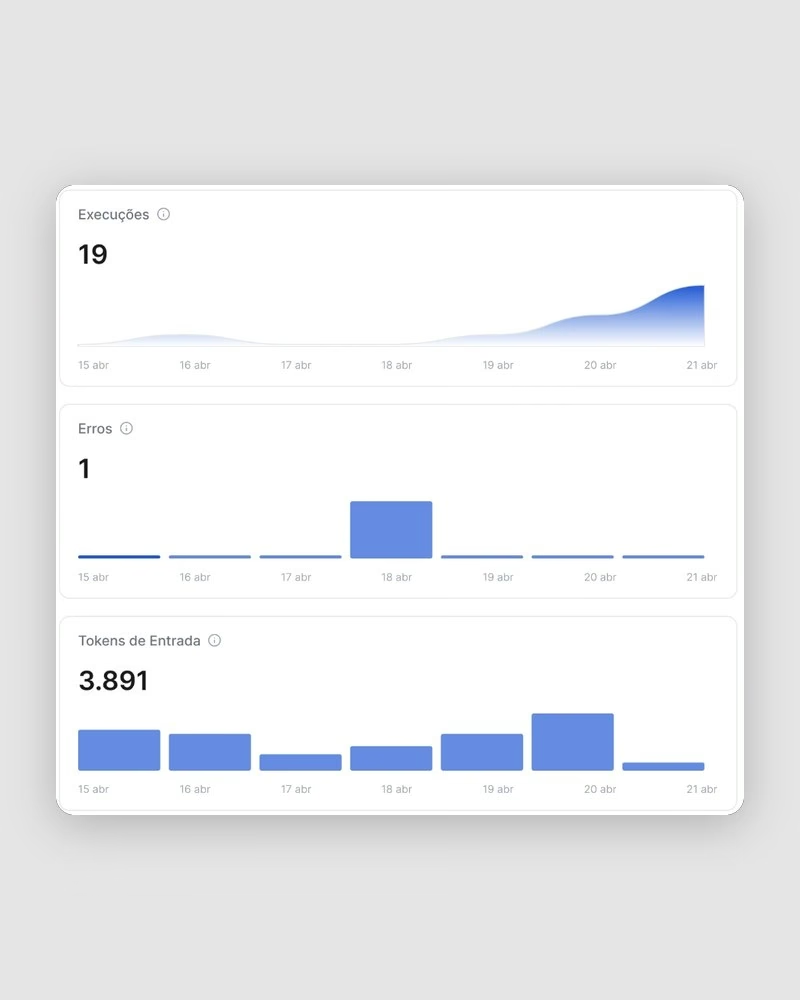
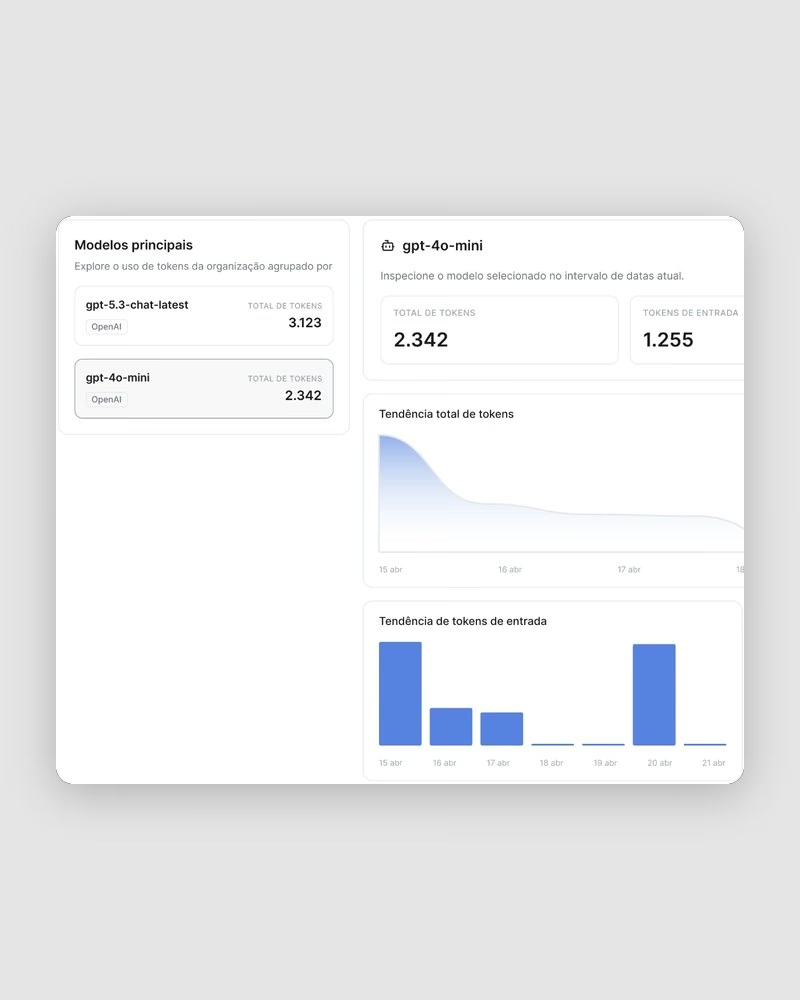
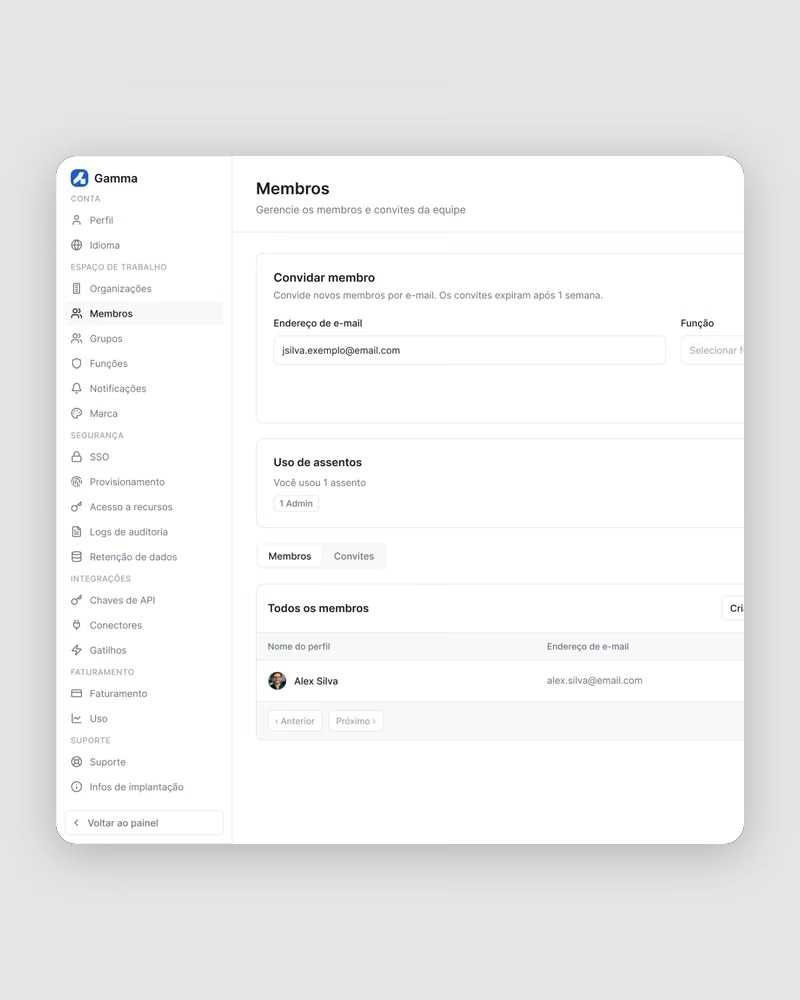
Once live, each agent reports executions, errors and token usage per project and per model, while admins manage members, roles and seats from one place.
What changed
What I’d take to the next project
Make the invisible visible
Showing executions, errors and cost turned AI from a risk into something leaders were willing to approve.
Design for the process owner
The people who know the work best are rarely engineers, so the builder had to speak their language.
Governance is part of the UX
Roles, seats and audit trails were not admin extras, they were what unlocked enterprise adoption.